The Meaning of Dreams About Clowns: What It Means When You Dream of Clowns
This article may contain affiliate links. We may receive a commission if you make a purchase through them, at no additional cost to you.
Introduction: why dreams about clowns leave a mark
Dreams about clowns tend to stay in your mind. Even if, on the surface, a clown is associated with fun, in a dream it can trigger far deeper themes: fear, confusion, suspicion, or a strange sense of “too much theater.” That’s why The Meaning of Dreams About Clowns isn’t only about the clown’s image—it depends on how you feel in the dream and what’s happening around you.
- The strong emotion in the dream (fear, curiosity, amusement) and what it may indicate about your state. If you dream of clowns with tension, it’s possible that, in real life, there’s a fear you’ve been putting off or a situation that makes you feel exposed. If the dreams are more amusing, it may be a sign that you need to relax and allow emotional release.
- Why clowns appear in dreams: cultural symbols, contrasts (laughter vs. unease), and the unconscious message. In popular culture, a clown can be “funny” or “scary,” and in a dream it becomes a symbol of contrasts: we laugh, but something isn’t right; we smile, but inside we’re unsettled. The unconscious uses this figure to draw attention to tensions—or to a transformation you can’t yet name clearly.
The meaning of dreams about clowns: general interpretation
When you wonder what it means when you dream of clowns, a helpful approach is to treat the dream as a mirror of relationships, identity, and the way you manage your emotions. The clown is often a “character” who wears a mask, changes attitude, and steps into different roles. From this comes the general interpretation: the dream can speak about change, about how you present yourself to the world, and about the role-playing you do (consciously or not).
- The meaning of dreams about clowns as a sign of change, identity, and role-playing. It may be a message that you’re in a period where you’re redefining your boundaries, adjusting how you communicate, or trying to find your place. The clown can suggest that you need to stop wearing a permanent “mask” and acknowledge what you truly feel.
- What it means when you dream of clowns: possible recurring themes (confusion, masks, warnings, the need for balance). Sometimes, the clown shows up as a sign of confusion: you don’t know what you want or you don’t understand someone’s intentions. Other times, it can be a warning about false promises or a situation where you feel misled. And in other cases, the dream calls for balance: between being “funny” and being honest, between protecting yourself and getting involved.
What it means when you dream of clowns based on emotions
Emotions are the key. If fear dominates the dream, the interpretation will point toward anxiety, exposure, or unsafe relationships. If laughter appears, the dream may signal emotional release and a desire to relax. If you feel confused, you’ll likely be dealing with themes related to a lack of clarity in relationships or at work.
- Fear or panic: anxiety, exposure, fear of being judged. A scary clown can symbolize fear of being “fooled” or not knowing how to react. Sometimes, it also indicates fear of competition: fear of not being “good enough” or of being embarrassed.
- Laughter or good spirits: emotional release, a desire to relax, and accepting imperfection. If laughter comes naturally in the dream, the clown may suggest that you finally allow yourself to detach from tension. It can also be a sign that you’re learning to accept imperfection (yours or others’).
- Confusion: uncertainty, lack of clarity in relationships or at work. A clown who tangles you up, changes direction, or makes no sense in their actions can reflect a period where you don’t have complete information—or where the messages you’ve received are contradictory.
A cheerful clown vs. a scary clown
Whether the dream presents a cheerful clown or a scary one changes the meaning. In a dream, the same figure can carry opposite energies: hope and optimism, or underlying tensions and hidden fears.
- The cheerful clown: optimism, hope, and the need to see the good side. It may indicate a desire to rebuild trust, find humor in the situation, or get closer to people without the pressure to “be perfect.”
- The scary clown: underlying tensions, manipulation, hidden fears, or past experiences. If the clown scares you in the dream, there may be an unspoken problem: an old fear, an experience that marked you, or a relationship where you don’t feel safe.
The costume color and the clown’s makeup
Visual details can amplify the message. The costume color and the makeup can suggest the intensity of the emotions you feel and the type of energy surrounding you.
- Red: intensity, impulse, conflict, or strong energy. A red clown may indicate tensions, an imminent confrontation, or a strong desire to act.
- Blue: an outward calm, masked sadness, or introspection. A blue clown can show that even though everything seems “fine,” there’s a heavier emotional state beneath the surface.
- Yellow: excitement, but also instability or nervousness. Yellow can signal energy that quickly swings you from joy to unease.
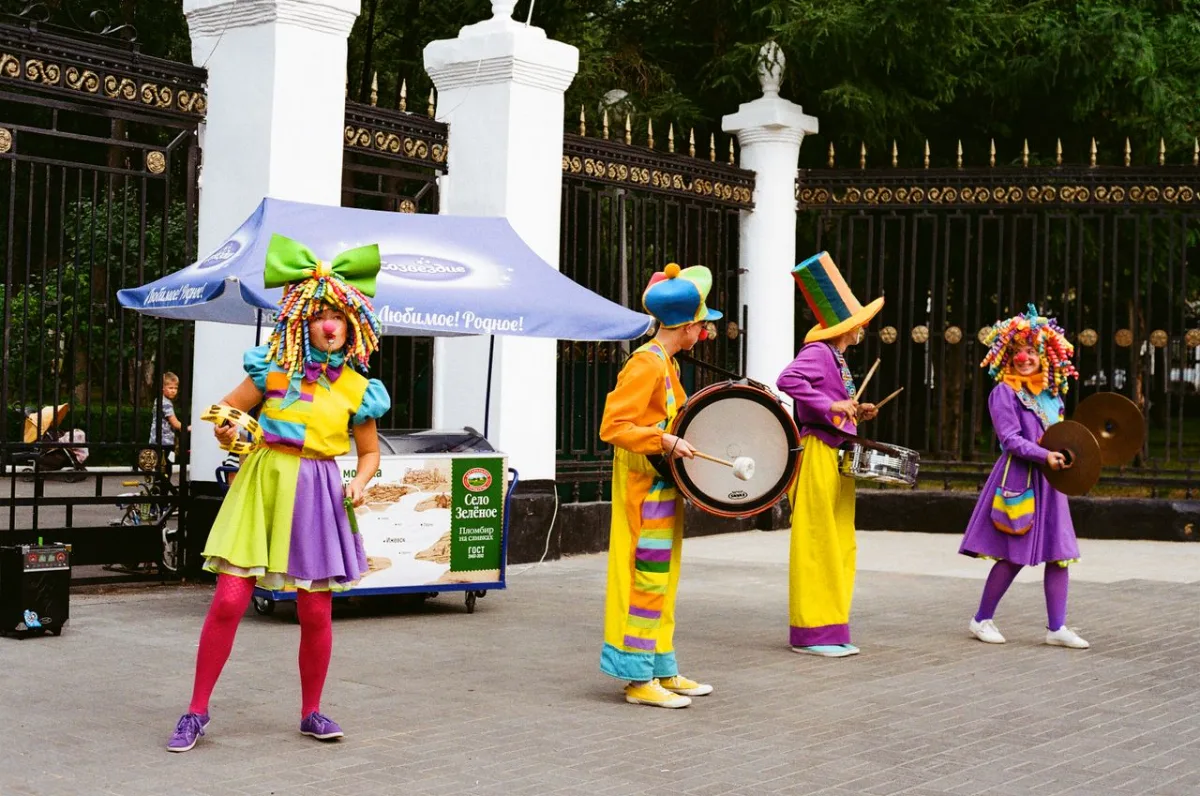
- Overdone makeup: a social “mask,” assumed roles, distorted communication. If the makeup is too intense or looks fake, the dream may be talking about how you present yourself or about promises you can’t verify.
The dream’s context: where the clown appears
The place where the clown appears outlines the area of life the dream touches. What it means when you dream of clowns can be different if you see them at home, on the street, or at a party.
- In the house: personal problems, family dynamics, repressed emotions. A home can symbolize intimacy and the area you control. If the clown enters your space, it may suggest that an emotional issue is “visiting” you from within.
- On the street: the impact of the outside world, social changes, insecurity in public. The street can show social pressures, changes, or fear of being seen in a way you don’t like.
- At a party: a need to belong, a desire for validation, or wanting to feel comfortable. A clown in a social setting can reflect the tension of “being accepted” or the desire to break the ice.
- In a dark room: stages of uncertainty, fear of the unknown. Darkness can indicate a lack of information, and the clown becomes a warning that you need to pay close attention.
The clown’s actions: what they do in the dream
Actions are often the main message. The clown may follow you, talk, trick you, or ignore you. Each behavior suggests a different emotional dynamic.
- They follow you: pressure, fear of confrontation, avoiding a conversation. If you run away in the dream, it can be a sign that, in real life, you’re avoiding a discussion or a responsibility.
- They make you laugh: emotional healing, regaining control. Laughter can suggest that despite the tension, you find a way to move past it.
- They talk to you or call you: an important subconscious message, an imminent decision. The words may be symbolic, but they also point to the direction of the dream: it could be a moment when you need to choose.
- They trick you: suspicion, manipulation, fear of being deceived. If you feel you can’t trust them, the dream may reflect a situation where you have clues but no confirmation yet.
- They don’t pay attention to you: emotional neglect, a need for attention. A clown who ignores you can show that you feel unseen or that you’re lacking validation.
Symbolic details: the hat, jingle bells, balloons, the doll
Some clown elements are almost “universal” in the collective imagination. In dreams, they can carry specific meanings tied to creativity, warnings, or roles in relationships.
- The hat: ideas that “appear” suddenly, creativity, but also surprises. If objects come out of the hat, the dream may suggest that you have new ideas or that a solution arrives unexpectedly.
- Balloons: fragility, fleeting hopes, and a desire for freedom. A balloon that floats away can indicate fear of losing an opportunity or not being able to control the direction.
- Jingle bells: warnings, rhythm, changes in communication. Sounds can signal that something is approaching—or that you need to sharpen your attention.
- A doll or toy: roles in relationships, the need to protect yourself. If the clown holds a doll, it may symbolize the way you feel “manipulated” or treated like someone without power.
The number of clowns in the dream
One clown or many clowns can change the intensity of the message. Usually, the number reflects the number of influences or the size of your emotional chaos.
- One clown: a central theme, a person, or a dominant emotion. The dream may show one main issue you keep turning over in your mind.
- More than one clown: emotional chaos, many influences, conflicts between “roles.” If multiple characters appear, it can be a sign that you have too many demands—or that you feel caught between different expectations.
- Identical clowns: repetition, patterns, the same lesson not learned. If you see the same look more than once, the dream may suggest that the same emotional pattern is returning.
How you feel in the dream: observer, participant, or victim
Your role in the dream is essential. Not only the clown matters, but also how you relate to them.
- If you’re a spectator: waiting, analyzing, fear of getting directly involved. It may indicate that you’re observing a situation but not intervening.
- If you’re a participant: taking on a role, a need to express yourself. If in the dream you work with the clown or interact with them, it may be a sign that you want to name things clearly—or take a stand.
- If you’re the victim: vulnerability, boundaries, and a sign that you need to protect yourself. If you feel forced or overpowered, the dream can be a call to respect your limits, seek safety, and get support.
Frequent scenarios: possible interpretations
Certain scenarios appear often in dreams. The interpretation may become clearer if you recognize yourself in one of these.
- The clown follows you down alleys: anxiety and avoiding a responsibility. Alleys can symbolize detours; running can show you’re fleeing a decision.
- The clown gives you gifts: opportunities, but also suspicion about intentions. The gift can be a chance, but how you receive it matters: with trust or with doubt.
- The clown suddenly disappears: rapid changes, confusion after an unstable situation. When they disappear, it may signal that you lost control—or that the context shifted too quickly.
- The clown falls or gets hurt: loss of control, but also release. Sometimes, a fall symbolizes that the “mask” breaks and the truth comes to light.
- The clown breaks something: conflicts, tensions coming to the surface. Broken objects can represent relationships, plans, or promises that can no longer be maintained.
The meaning of dreams about clowns in relationships
In relationships, the clown often becomes a symbol of “masked” communication, jealousy, or repeated patterns. If you’re wondering what it means when you dream of clowns in a romantic or family context, look at the interactions: how the clown treats you and what makes you feel.
- If the dream reflects jealousy: fear of being replaced or of not being enough. The clown can represent a symbolic “rival” or the fear of losing someone’s attention.
- If it suggests false communication: promises, a social mask, lack of sincerity. If the clown smiles but their actions throw you off, it may be a sign that, in real life, you aren’t receiving clear messages.
- If a familiar clown appears: repeated patterns with someone from your life. Usually, it’s a dynamic you recognize: the same kind of tension, the same reaction, the same lesson.
Dreams about clowns at work and in social life
At work and in social settings, the clown can signal performance, the pressure to “look good,” and anxiety about evaluation. Humor, even when present, can be a strategy to cope with stress.
- The clown as a symbol of “performance”: pressure to look fine even when you’re not. If in the dream you’re forced to “play a role,” it may be a sign that you feel you’re masking your fatigue or dissatisfaction.
- Fear of evaluation: anxiety related to criticism or competition. A clown who keeps staring at you can symbolize judgment, expectations, or fear of making a mistake.
- Humor as a coping strategy: the way you manage stress and tension. If you manage to laugh in the dream, it may indicate that you have a healthy coping mechanism.
Clowns in dreams and emotional health: what they may signal
Dreams about clowns can be a sign that there are emotions you manage through a mask, through postponement, or through repression. Often, they appear in periods when you need clarity and boundaries.
- Masking and self-protection: when you smile but inside you’re tense. Overdone makeup can reflect how you hide your vulnerability.
- Repressed fears: the dream as an emotional “release.” If you’re scared in the dream, but then you feel freed, it may be a release of accumulated tension.
- The need for boundaries: if the clown invades your space. When the clown gets too close, the dream may signal that you need to protect your energy and say “no.”
Interpretations in culture and psychology: myths vs. symbols
There’s a frequent confusion: people look for an exact “prediction.” In reality, dreams are more like symbols. The meaning of dreams about clowns is tied to feelings, context, and personal patterns, not to a universal verdict.
- The clown as a figure of contrast: laughter can hide unease. That’s why a cheerful clown can sometimes feel more emotionally “threatening” than a scary one: it may be masking a real state of discomfort.
- Symbolic interpretation (not predictions): the dream as a reflection of feelings and context. In psychology, dreams are often seen as a way the unconscious processes emotional information.
- Why there’s no single “key”: details make the difference. The color, the place, the clown’s actions, the number of clowns, and your emotion can completely change the meaning.
How to interpret your own dream about clowns: a 5-step method
If you want to understand the message better, you can use a simple method that helps your mind connect symbols to your real life. You don’t need “guessing,” but structured introspection.
- Write down the details (color, place, actions, number, people) right after waking up. The sooner you capture them, the clearer the interpretation will be.
- Identify the dominant emotion and what’s happening in your life during that period. Ask yourself: fear, laughter, confusion, shame, curiosity?
- Link the symbol to a concrete situation (conflict, change, communication). For example: have you been avoiding a discussion? Do you feel you have to “perform”? Are there promises that worry you?
- Check whether you tend to project fears or “mask” certain feelings. Sometimes, the clown is exactly how you describe a fear: masked, but present.
- Choose a practical message: what you can do differently today. The dream becomes useful when it helps you make a decision—not only when it scares you or confuses you.
What it means when you dream about clowns repeatedly
Repetition has meaning. If The meaning of dreams about clowns comes up again, it usually points to an unresolved theme or a recurring state. It doesn’t necessarily mean something “bad,” but it suggests you should pause and understand what pattern keeps repeating.
- An unresolved theme: the same emotional lesson returns in symbolic form. It could be a fear, a postponed conversation, or a type of relationship that drains you.
- Chronic stress or overload: the clown as a sign of mental fatigue. If you have many responsibilities and little time to relax, your mind may use strong symbols to get your attention.
- A sign of change: a new way of communicating or setting boundaries. Sometimes, repetition continues until you cross a threshold: you say what you feel, you take responsibility for a decision, you protect your space.
When you should pay extra attention to dreams about clowns
Most dreams are normal, and interpreting them can be an exercise in self-awareness. Still, there are situations where it’s worth paying extra attention—especially if the dream affects your sleep or emotional state.
- If the dream triggers panic attacks, insomnia, or persistent anxiety. When sleep is disrupted and emotions remain intense even after waking, it’s important to seek support.
- If it appears after traumatic events or abuse situations (in which case specialized help matters). In such cases, the dream may be a sign that the trauma needs processing—not just symbolic interpretation.
- If it pushes you into repeated avoidance in real life. If you constantly avoid conversations, places, or responsibilities because of fear, the dream can indicate a deeper need for safety.
Conclusion: the message behind the symbol
The meaning of dreams about clowns depends on emotions, context, and details. In many cases, what it means when you dream of clowns is, at its core, about how you manage change—about your identity and about how you communicate (with sincerity or with a mask). The clown can be a mirror: it shows you your tensions, your hopes, and your need for balance. If you listen to your emotions and ask concrete questions, the dream becomes a tool for clarity—not just a mystery.
Related articles

The Meaning of Avalanche Dreams: What They Mean and How to Interpret Them
The meaning of avalanche dreams can reflect stress, loss of control, or accumulated tension—but it can also point to a possible transformation. Interpretation depends on details: the emotion in the dream, the scene (far away, trapped, saved), and what’s happening in your life.
Read →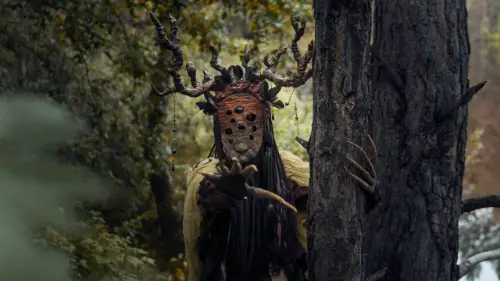
The Meaning of Monster Dreams: What They May Reveal
The Meaning of monster dreams often reveals fears, anxieties, and parts of yourself you haven’t fully accepted. Interpretation depends on your emotion, the context, and how you respond in the dream.
Read →
What It Means When You Dream About a Doctor: Interpretations in Plain Terms
What it means when you dream about a doctor: it usually symbolizes the need for care, clarity, and healing—especially when you’re under stress or looking for solutions. The interpretation depends on the emotions in the dream and the context (doctor’s office, hospital, good or bad news).
Read →